
Calgary to Banff in Winter: What to Expect on Highway 1
Most winter trips from Calgary to Banff are uneventful. The road is wide, it gets plowed early, and a lot of people do it in a regular sedan without a hitch. But “most” is carrying a lot of weight in that sentence, and the days that go wrong tend to go wrong fast. Here is what the drive actually looks like between November and March, and how to decide whether you want to be the one holding the wheel.
What the drive looks like
You leave Calgary on Highway 1 heading west and the road climbs gently out of the city, past Cochrane and the Stoney Nakoda lands, then into the Bow Valley. In dry conditions it is a bit over an hour and a half door to door, and that is the baseline to remember. Add snow, add traffic on a ski Saturday, and two hours is a realistic expectation.
Where it gets tricky
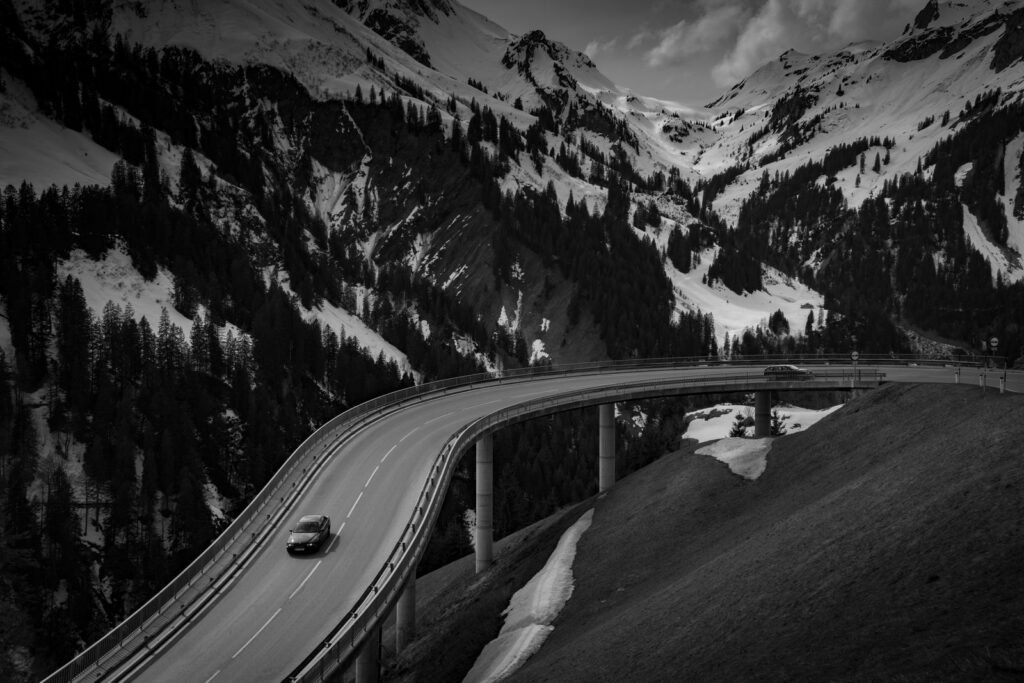
The foothills section just west of the city is open and exposed. Wind pushes snow across the road there, and a clear stretch can turn white in a few minutes. Calgary also gets chinooks, those warm winds that melt everything by afternoon. The melt refreezes at night, which is how you end up with black ice on a road that looked fine at lunchtime.
Once you are in the Bow Valley the highway is better protected, but the temperature drops and shaded corners stay icy long after the sun is up. Around Canmore and Banff you also have to think about wildlife. Elk and bighorn sheep like the road margins in winter, and they do not look both ways. The highway has fencing and wildlife crossings in much of the valley, which helps, but it is not a guarantee.
Checking conditions before you go
Do not trust the weather on your phone alone. Alberta 511 shows live road conditions, closures and camera feeds, and it is worth a look the evening before and again as you leave. Parks Canada also posts alerts for the national parks. If the highway is flagged as snow covered or partly snow covered, that is your cue to leave extra time or move the trip.
Tires, gear and the boring stuff
Winter tires make a bigger difference than the badge on the vehicle. Look for the mountain and snowflake symbol on the sidewall rather than just “all-season.” Keep the washer fluid topped up, carry a blanket and some water, and do not start a mountain drive with a quarter tank. If you carry on past Lake Louise into British Columbia, that province has its own winter-tire rules for mountain highways, so check them if you are renting.
It is also worth being honest about the rental itself. Rental cars are often fitted with all-season tires, and a vehicle you have never driven is not what you want to learn on a slippery downhill.
Driving yourself or hiring a chauffeur
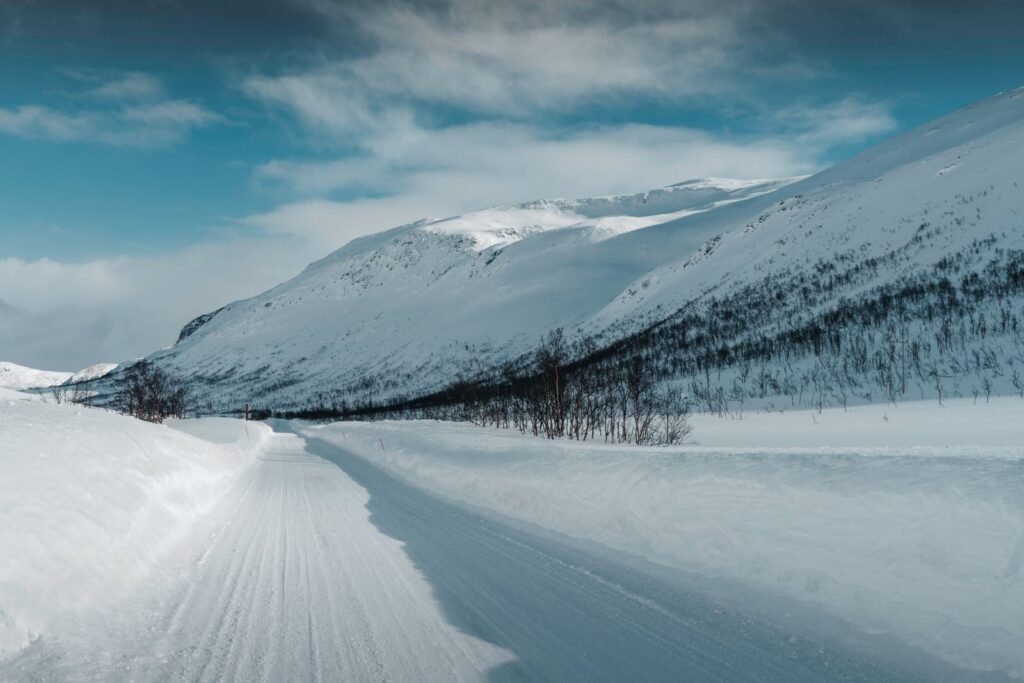
If you are comfortable in winter driving and you have the right tires, driving yourself is perfectly sensible. The case for a chauffeur is less about the road itself and more about what else is going on: you have just landed after a long flight, you are tired, the plan is a late dinner, or you want to look out the window instead of at taillights. A professional driver who does this run all winter has a feel for the road that a visitor does not, and they decide whether to slow down, wait out a squall or take a different approach.
That is the thinking behind our Calgary Airport to Banff transfer and the wider Banff limo service. If you are weighing it up against a shuttle or rental car, our comparison of shuttle, rental and private car goes through the trade-offs, and the 7-day winter itinerary shows what a cold-weather trip can look like when the logistics are handled.
If the weather turns
Closures and delays do happen. The sensible approach is to be flexible: a later departure, an extra night, or a switch of day. If you have booked with us and conditions look poor, get in touch and we will talk through the options rather than pretend the road is fine.
Quick answers
How long does it take to drive from Calgary to Banff in winter?
In good conditions it is a bit over an hour and a half. With snow or heavy weekend traffic, plan on about two hours and check Alberta 511 before you leave.
Do I need winter tires between Calgary and Banff?
Alberta does not require them on this stretch, but they are strongly recommended. If your route continues into British Columbia, that province has its own rules for mountain highways.
Is Highway 1 ever closed?
Yes, sometimes for collisions or heavy snow. Alberta 511 lists current closures, so check it before departing.